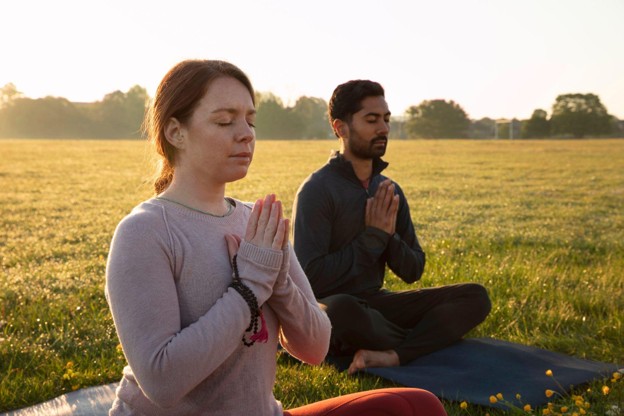
Prayer is central to spiritual life, but caring for the soul involves more than setting aside a few minutes each day. Father Adam Park explains that spiritual health is strengthened through a combination of habits, including prayer, worship, fasting, spiritual reading, charity, reflection, and attention to how faith shapes everyday choices.
Just as physical health rarely depends on one healthy behavior, spiritual health benefits from a routine in which different practices support one another.
Spiritual Health Deserves Regular Attention
People generally understand that physical health requires ongoing care.
Eating one nutritious meal does not create lasting health. Exercising once cannot replace regular movement, and one good night of sleep cannot compensate indefinitely for unhealthy habits.
Spiritual health can be approached with similar consistency.
A person may pray during a difficult moment or attend church on an important occasion, but maintaining spiritual well-being involves continuing to make room for faith during ordinary days too.
This does not mean every day must follow an elaborate spiritual schedule. It means recognizing that the soul, like the body, deserves regular attention rather than attention only when something feels wrong.
Prayer Provides a Foundation
Prayer creates intentional time for turning attention toward God.
Daily responsibilities can quickly occupy nearly every available moment. Work, family obligations, errands, entertainment, and technology compete constantly for attention.
A regular prayer routine creates space that is deliberately set apart.
The length of that time may vary. What matters is developing the habit of returning to prayer rather than waiting until the perfect mood or quiet moment appears.
Prayer can involve gratitude, petitions, reflection, repentance, or simply remaining quietly attentive to God’s presence.
But prayer does not exist separately from the rest of spiritual life. Ideally, it influences how someone approaches relationships, responsibilities, difficulties, and opportunities to serve others.
Going to Church Adds Something Personal Prayer Cannot Replace
Private prayer is important, but Christianity is not intended to be practiced entirely alone.
Church brings believers into a community of worship.
Participating in the life of the Church creates opportunities to hear Scripture, worship with others, receive spiritual guidance, and remember that faith belongs to a community extending beyond individual concerns.
That communal dimension can be especially valuable when personal motivation is low.
Someone may not always feel spiritually enthusiastic before attending church. Showing up anyway can reinforce the idea that spiritual practices do not need to depend entirely on emotion.
Regular participation creates continuity even as feelings change.
Spiritual Reading Gives the Mind Something Worth Considering
People consume enormous amounts of information every day.
News, social media, entertainment, messages, advertisements, and countless other inputs compete for mental space.
Spiritual reading intentionally introduces something different.
Scripture and other appropriate spiritual works can encourage reflection on questions that daily routines may otherwise leave unexplored.
Reading does not need to involve completing large amounts of material.
A short passage considered carefully can sometimes be more useful than several chapters read quickly.
The goal is not simply accumulating information. Spiritual reading creates an opportunity to think more deeply about faith and how it should influence ordinary life.
Fasting Trains the Ability to Say No
Fasting is sometimes understood only in terms of giving up food, but its spiritual significance reaches further.
Choosing to go without something can reveal how strongly habits and desires influence everyday behavior.
People become accustomed to immediate convenience. Hunger, entertainment, purchases, and distractions can often be satisfied almost instantly.
Fasting introduces a deliberate interruption.
By voluntarily giving something up for an appropriate period, a person practices saying no to an immediate desire for the sake of something greater.
That discipline can reinforce the understanding that not every impulse needs to be followed simply because it is present.
Charity Moves Spiritual Life Beyond the Self
A spiritual routine can become incomplete if it remains focused exclusively inward.
Acts of charity direct attention toward other people.
That may involve giving money or material assistance, but charity can take many forms. Offering time, helping someone with a practical need, listening patiently, encouraging another person, or quietly performing an act of service can all move faith into action.
Small opportunities matter because they occur regularly.
A person does not need to wait for an extraordinary situation before practicing generosity.
Everyday life continually provides opportunities to become more attentive to the needs of others.
Reflection Helps Connect Different Spiritual Practices
Prayer, worship, reading, fasting, and charity can become separate activities unless people occasionally consider what those practices are teaching them.
Reflection creates that connection.
Someone might think about how a passage of Scripture applies to a current difficulty, whether a recurring frustration reveals something that needs attention, or whether prayer is influencing the way other people are treated.
This kind of reflection does not need to become constant self-analysis.
Its purpose is simply to prevent spiritual practices from becoming items that are completed without affecting the rest of life.
Routine Matters When Motivation Disappears
Healthy habits become especially valuable when enthusiasm is low.
Someone who exercises regularly does not wake up excited for every workout. There are days when the weather is unpleasant, schedules are crowded, or energy is limited.
Spiritual routines experience similar fluctuations.
There may be days when prayer feels focused and meaningful. On others, attention wanders. Spiritual reading may sometimes feel engaging and at other times require considerable effort.
Consistency matters precisely because motivation changes.
A routine provides structure when feelings do not provide momentum.
Continuing a spiritual practice during an unmotivated period can prevent temporary discouragement from becoming long-term neglect.
A Sustainable Routine Does Not Need to Be Complicated
Trying to establish too many spiritual habits simultaneously can become overwhelming.
Someone might decide to dramatically increase prayer, reading, fasting, church involvement, and charitable activity all at once.
An ambitious plan can quickly become difficult to maintain.
A simpler routine may be more sustainable.
For example:
- Establish a consistent time for daily prayer.
- Attend church regularly.
- Read a manageable amount of Scripture or spiritual material.
- Practice fasting according to appropriate spiritual guidance.
- Look intentionally for opportunities to serve others.
- Set aside occasional time for reflection.
These habits can develop gradually.
Consistency is generally more useful than creating an impressive routine that lasts only briefly.
Spiritual Practices Should Influence Everyday Behavior
Spiritual health cannot be separated completely from ordinary conduct.
Someone can maintain a prayer schedule while still being impatient, unkind, dishonest, or unwilling to forgive.
That disconnect deserves attention.
Spiritual practices should gradually influence how a person responds to other people.
Patience during a difficult conversation, generosity toward someone in need, willingness to apologize, gratitude for ordinary blessings, and restraint when anger appears can all become expressions of spiritual growth.
The effectiveness of a routine is not measured simply by how many practices someone completes.
It can also be considered through the kind of person those practices are helping someone become.
Different Seasons May Require Different Routines
Spiritual routines do not necessarily remain identical throughout life.
Family responsibilities, health, schedules, age, and other circumstances can change how much time is available and which practices are realistic.
A routine that worked several years ago may need adjustment.
The important point is not preserving one exact schedule forever. It is continuing to give spiritual health deliberate attention.
Adaptation is different from abandonment.
When circumstances change, spiritual habits can be adjusted rather than simply disappearing.
Final Thoughts
Caring for the soul involves more than finding occasional time to pray.
Prayer provides an essential foundation, but worship, fasting, spiritual reading, charity, reflection, and everyday conduct all contribute to a broader spiritual routine.
These practices support one another.
Prayer directs attention toward God. Church connects faith with a worshipping community. Spiritual reading provides material for reflection. Fasting develops discipline. Charity turns attention outward toward others.
Maintaining those habits will not always feel easy.
Motivation changes, schedules become crowded, and distractions compete for attention. That is precisely why routine matters.
Spiritual health, like physical health, is not maintained through one dramatic effort. It develops through ordinary practices repeated faithfully over time, including on the days when maintaining them requires greater intention.